


Aug 31st 2026
Mouth Taping With CPAP: Is It Safe? (Risks & Alternatives)
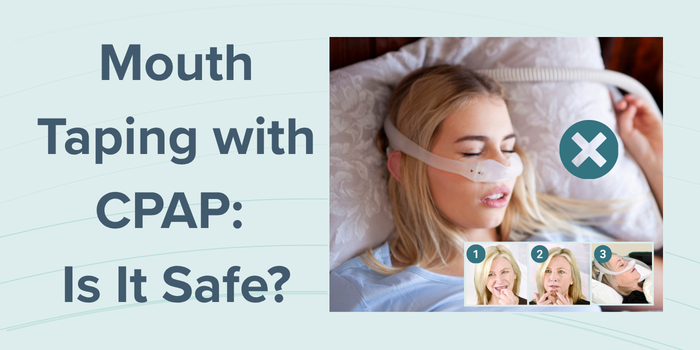
Mouth Taping With CPAP: Is It Safe?
Mouth taping has become a popular sleep trend, with some people claiming it can reduce snoring, encourage nasal breathing, and prevent dry mouth. But if you use CPAP therapy for sleep apnea, you may be wondering:
Is it safe to tape your mouth while using a CPAP machine?
While mouth taping may help encourage nasal breathing in some people, it is not a proven treatment for sleep apnea and may not be appropriate for everyone. If you use CPAP therapy, talk with your doctor or sleep specialist before trying mouth tape.
What Is Mouth Taping?
Mouth taping involves placing specially designed adhesive tape over or around the lips before going to sleep. The goal is to encourage the mouth to remain closed and promote breathing through the nose throughout the night.
Although mouth taping has gained popularity, it is important to understand that it is not an established medical treatment for sleep apnea. Research on its effectiveness and long-term safety remains limited.
What Are the Claimed Benefits of Mouth Taping?
Before adding mouth tape to your shopping cart, keep in mind that many of its advertised benefits have not been confirmed by large, high-quality studies.
One of the primary reasons people try mouth taping is to encourage nasal breathing. Breathing through your nose provides several natural benefits, including:
- Regulating the temperature of the air before it reaches your lungs
- Filtering allergens, debris, and other particles from the air
- Humidifying the air you breathe, which may help keep your mouth and throat from becoming excessively dry
Some people also use mouth tape in an attempt to reduce mild snoring or mouth breathing during sleep. However, frequent or loud snoring can be a symptom of obstructive sleep apnea (OSA) and should not simply be treated by keeping the mouth closed.
Is Mouth Taping Safe With CPAP?
If you use CPAP therapy, talk with your healthcare provider before using mouth tape.
CPAP therapy works by delivering pressurized air to help keep your airway open while you sleep. For people using a nasal or nasal pillow mask, opening the mouth during sleep can sometimes cause air to escape, resulting in a CPAP mouth leak.
While mouth taping may seem like an easy way to prevent these leaks, it does not address the underlying reason your mouth is opening. Nasal congestion, mask fit, CPAP pressure settings, or other factors may be contributing to the problem.
A full-face or hybrid CPAP mask, chin strap, or adjustments to your humidification may be safer and more appropriate solutions for managing mouth leaks.
Is Mouth Taping Dangerous? Risks and Side Effects
Mouth taping is often marketed as a simple, low-risk practice, but it may not be appropriate for everyone. There is currently not enough research to confirm its long-term safety or effectiveness.
Potential risks may include:
- Difficulty breathing if your nose becomes congested during the night
- Skin irritation or allergic reactions caused by adhesive
- Anxiety or panic from being unable to open your mouth freely
- Disrupted sleep
- Problems caused by using tape that is too strong or not intended for use on the skin
Another concern is nausea or vomiting during sleep. Restricting the ability to open your mouth could create an additional safety concern if vomiting occurs.
Never use duct tape, industrial tape, or another strong adhesive to tape your mouth closed.
Mouth Taping and Sleep Apnea
Mouth taping should not be used as a substitute for sleep apnea treatment.
Snoring is one of the most recognizable symptoms of obstructive sleep apnea, but not everyone who snores has OSA. Other possible symptoms include gasping or choking during sleep, excessive daytime sleepiness, morning headaches, and difficulty concentrating.
Untreated sleep apnea has been associated with a variety of health complications, including cardiovascular and metabolic problems.
If you regularly snore loudly, wake up gasping for air, experience significant daytime fatigue, or think you may have sleep apnea, talk with a healthcare provider about appropriate testing and treatment.
Proven Treatments for Sleep Apnea
Treatment depends on the type and severity of sleep apnea and your individual needs. Options may include:
- CPAP therapy: A continuous positive airway pressure machine delivers pressurized air to help keep your airway open during sleep.
- Lifestyle changes: Regular physical activity, maintaining a healthy weight, limiting alcohol, and quitting smoking may help some people manage sleep apnea symptoms.
- Oral appliance therapy: Specially designed oral appliances reposition the jaw or tongue to help maintain an open airway. These devices should be properly fitted by a qualified dental professional.
- Orofacial or myofunctional therapy: Exercises may be used to strengthen muscles of the mouth, tongue, face, and upper airway.
- Surgery: For certain patients, surgical procedures may be recommended to address airway obstruction or stimulate nerves that help keep the airway open during sleep.
Your healthcare provider can help determine which treatment is appropriate for you.
Alternatives to Mouth Taping While Using CPAP
If your mouth opens while using a nasal or nasal pillow CPAP mask, there are several alternatives to adhesive mouth tape.
Full-Face or Hybrid CPAP Masks
A full-face CPAP mask covers both your nose and mouth, while some hybrid designs sit under the nose and also cover the mouth. Because pressurized air can be delivered through both the nose and mouth, opening your mouth during sleep is less likely to result in lost therapy pressure.
Check out our Full-Face and Hybrid CPAP Masks: https://www.gocpap.com/masks/full-face/
CPAP Chin Straps
A CPAP chin strap fits under the chin and around the head to provide gentle support to the lower jaw. It may help keep the mouth from falling open while sleeping with a nasal or nasal pillow mask.
Shop CPAP Chin Straps: https://www.gocpap.com/supplies/mask-parts/chinstraps/
Heated Humidification
Dry mouth does not always mean that mouth taping is necessary. Adjusting your CPAP humidification may help improve comfort and reduce dryness.
Most modern CPAP machines include or support heated humidification. Experiment with the appropriate humidity level according to your machine's instructions and your healthcare provider's recommendations.
Need a replacement water chamber? Shop Humidifier Parts: https://www.gocpap.com/supplies/humidifier-parts/
Alternatives to Mouth Tape for Snoring
If your primary concern is snoring rather than CPAP mouth leaks, other strategies may help depending on the cause:
- Avoid sleeping on your back: Snoring may be worse when sleeping on your back. Side sleeping may help some people.
- Try nasal strips: Nasal strips placed across the bridge of the nose may help improve nasal airflow for some people.
- Address nasal congestion: If allergies or congestion are causing mouth breathing, talk with your doctor about appropriate treatment options.
- Quit smoking: Smoking is associated with snoring and can irritate the upper airway.
- Limit alcohol and sedatives: These substances can relax muscles in the mouth and throat, potentially making snoring worse.
- Maintain a healthy weight: Excess weight can contribute to upper-airway narrowing in some people.
- Consider an oral appliance: A custom-fitted oral appliance may help reposition the tongue or jaw and reduce snoring for certain people.
- Talk with your doctor: Frequent, loud snoring or snoring accompanied by gasping, choking, or daytime sleepiness should be evaluated for possible sleep apnea.
Who Should Avoid Mouth Taping?
Mouth taping may be especially risky for people who cannot breathe comfortably and consistently through their nose.
Talk with your healthcare provider before considering mouth taping, particularly if you have:
- Obstructive sleep apnea or suspected sleep apnea
- Chronic nasal congestion
- Significant allergies that interfere with nasal breathing
- Other breathing difficulties
- Sensitive skin or an allergy to adhesives
Extra caution is also appropriate for children and during pregnancy. A healthcare provider should be consulted before mouth taping is considered in these situations.
How to Use Mouth Tape for Snoring Safely
If your healthcare provider determines that mouth taping is appropriate for you, only use products specifically designed for use on or around the mouth.
Appropriate mouth tape should be gentle on the skin and easy to remove. Never use duct tape, packing tape, industrial tape, or other strong adhesives.
Even when approved by your healthcare provider, mouth taping should not replace medical evaluation when snoring is loud, frequent, or accompanied by other signs of sleep apnea.
Healthy sleep practices—such as sleeping on your side, addressing nasal congestion, and avoiding alcohol close to bedtime—may also help reduce snoring.
Frequently Asked Questions
Does Mouth Taping Help With Sleep Apnea on Its Own?
No. Mouth taping is not an approved standalone treatment for obstructive sleep apnea and should not replace CPAP or another treatment prescribed by your healthcare provider.
Some people use mouth tape to reduce mouth breathing or snoring, but snoring can be a symptom of sleep apnea. If you think you may have sleep apnea, talk with your doctor rather than attempting to treat the symptoms with mouth tape alone.
What Tape Is Safe to Use if My Doctor Approves Mouth Taping?
If your healthcare provider approves mouth taping, use a product specifically designed for use around the mouth rather than household or industrial tape.
Products available on the market include:
SomniFix: Designed specifically for nighttime mouth taping and uses skin-friendly adhesive with a central breathing vent.
Myotape: Designed to surround the mouth rather than directly sealing the lips, encouraging the lips to remain together while still allowing the mouth to open when necessary.
Always follow the manufacturer's instructions and your healthcare provider's recommendations.
Can I Use Mouth Tape With a Nasal Pillow Mask?
If you experience mouth leaks while using a nasal pillow CPAP mask, talk with your healthcare provider or CPAP equipment specialist before trying mouth tape.
Alternatives include:
CPAP Chin Straps: These provide gentle support to the lower jaw and may help reduce mouth opening during sleep.
Shop CPAP Chin Straps: https://www.gocpap.com/supplies/mask-parts/chinstraps/
Full-Face or Hybrid Masks: These masks accommodate breathing through both the nose and mouth and may be a better option for people who regularly experience mouth leaks.
Shop Full-Face and Hybrid Masks: https://www.gocpap.com/masks/full-face/
The Bottom Line: Should You Mouth Tape With CPAP?
Mouth taping may encourage nasal breathing, but research on its safety and effectiveness remains limited. More importantly, mouth tape is not a treatment for obstructive sleep apnea and should not replace CPAP therapy.
If you're experiencing dry mouth, mouth leaks, or difficulty keeping your mouth closed while using CPAP, don't assume that taping your mouth shut is the best solution. A different mask style, CPAP chin strap, humidification adjustment, or another change to your therapy may provide a safer and more comfortable solution.
Before using mouth tape with CPAP therapy, talk with your doctor or sleep specialist about the safest option for your individual needs.