


Jul 7th 2026
CPAP vs BiPAP Masks: Key Differences, Mask Types, and Who Needs What
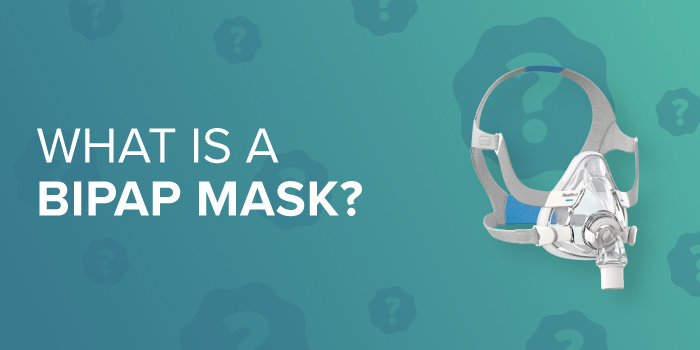
CPAP masks and BiPAP masks are physically very similar and many are interchangeable. Most CPAP masks can be used with BiPAP machines unless your provider prescribes a specific vented or non-vented setup. The real difference is the machine: CPAP therapy delivers a steady, continuous air pressure, while BiPAP therapy delivers two different pressure levels: a higher pressure during inhalation and a lower pressure during exhalation.
Both CPAP and BiPAP therapies are administered through machines. However, both types of machines can use CPAP masks. There is no such thing as a BiPAP mask. The same masks are used for both types of therapy: CPAP and BiPAP.
Do You Need a CPAP or BiPAP?
Sleep apnea is a potentially serious sleep disorder in which breathing is briefly and repeatedly interrupted during sleep. It can cause a person to wake up frequently at night, causing poor sleep quality and daytime fatigue.
Fortunately, there are several treatments available for sleep apnea, the two most popular being continuous positive airway pressure (CPAP) and bilevel positive airway pressure (BiPAP) therapies.
Many users question what's the difference between CPAP and BiPAP, and how do you know which therapy is right for you? The short answer is that your doctor will determine the best treatment for you. In this blog post, we'll take a close look at the differences between CPAP and BiPAP therapies and why each one is used to help treat sleep apnea or other breathing disorders.
How CPAP Works (One Pressure)
CPAP therapy is a medical treatment for sleep apnea, a condition where a person's airway becomes obstructed during sleep, causing them to stop breathing for short periods.
During CPAP therapy, a machine delivers a steady airflow through a mask worn over the nose and/or mouth. The air pressure keeps the airway open, preventing it from collapsing and allowing the person to breathe normally throughout the night.
CPAP therapy is a highly successful treatment for sleep apnea and can help reduce symptoms such as:
- Snoring
- Daytime sleepiness
- Fatigue
- Morning headaches
It can also improve overall health outcomes by reducing the risk of cardiovascular disease, stroke, and other related health problems associated with sleep apnea.
CPAP therapy can also help those diagnosed with COPD or neuromuscular disorders.
How BiPAP Works (Two Pressures)
BiPAP therapy is another form of non-invasive positive pressure ventilation used to treat respiratory conditions including sleep apnea, chronic obstructive pulmonary disease (COPD), and other breathing disorders.
BiPAP therapy delivers two different air pressure levels during inhalation and exhalation. During inhalation, the machine delivers higher pressure to help the person breathe in more air. During exhalation, the device reduces the pressure to make it easier to breathe out.
BiPAP machines are often used by patients who cannot tolerate the constant pressure of a CPAP machine or for individuals who need more support to breathe. The two pressure levels delivered by the BiPAP machine are IPAP (inspiratory positive airway pressure) and EPAP (expiratory positive airway pressure).
IPAP
The IPAP is the pressure delivered during inhalation, which helps open the airways and allows air to flow into the lungs. The IPAP setting is typically set to a higher pressure than EPAP. However, the level of required pressure will depend on the individual's needs and may need to be adjusted over time.
For example, someone with severe sleep apnea or COPD may require a higher IPAP to help them breathe more easily. Someone with milder symptoms needs a lower IPAP to achieve the same effect.
EPAP
The EPAP is the pressure delivered during exhalation, which helps keep the airways open and prevent them from collapsing.
The EPAP setting is typically set to a lower pressure than IPAP. The difference between IPAP and EPAP is the pressure support, which is the amount of pressure delivered during inhalation above and beyond the baseline pressure delivered during exhalation.
EPAP helps to maintain a positive pressure in the airways during exhalation, which prevents the airways from collapsing and improves oxygen exchange in the lungs.
This setting can benefit individuals with conditions that cause airway obstruction, such as sleep apnea or COPD. The pressure levels required for IPAP and EPAP will vary depending on the patient's needs and may be adjusted to achieve the best possible outcome.
While both CPAP and BiPAP therapies use positive airway pressure to keep the airway open during sleep, there are several important differences between the two.
|
Features |
CPAP |
BiPAP |
|
Air Pressure |
Delivers one continuous pressure during inhalation and exhalation |
Delivers two pressure levels: a higher pressure during inhalation (IPAP) and a lower pressure during exhalation (EPAP) |
|
Best For |
Most people diagnosed with obstructive sleep apnea |
People who cannot tolerate high CPAP pressures or who need additional breathing support |
|
Machine Cost |
Generally less expensive |
Typically more expensive due to additional technology and settings |
|
Mask Compatibility |
Uses standard CPAP masks |
Most BiPAP machines use the same CPAP masks |
Are CPAP and BiPAP Masks the Same?
What's Identical
While CPAP and BiPAP therapies provide breathing assistance in different ways, it's helpful to know how the two are similar, especially when it comes to buying the equipment you'll need for your treatment.
Both CPAP and BiPAP therapies are administered through machines. However, both types of machines can use CPAP masks.
With numerous types of CPAP masks available, you don't need to search specifically for a BiPAP mask if you need BiPAP therapy.
There is no such thing as a BiPAP mask. The same masks are used for both types of therapy: CPAP and BiPAP.
What Can Differ
When looking for a mask for BiPAP therapy, paying attention to the seal is important. If your prescription is more than 20 cmH₂O, you should look for a mask with a heavy-duty seal.
This prescription requires more intense pressure, so the mask and machine can handle it.
If you are unsure, refer to your physician for help.
While most CPAP masks can also be used with a BiPAP machine, there are a few exceptions. Some therapy setups require either a vented or non-vented mask depending on the machine and circuit configuration prescribed by your healthcare provider. In addition, some masks may use different connection styles or tubing adapters depending on the manufacturer.
If you're unsure whether your current mask is compatible with your machine, check the manufacturer's recommendations or ask your equipment provider or physician before switching equipment.
Types of Masks Used With BiPAP
Although there isn't a separate category of "BiPAP masks," patients using BiPAP therapy can choose from the same styles available for CPAP therapy. The best option depends on your breathing habits, sleeping position, and comfort preferences.
Nasal BiPAP Masks
Nasal masks cover only the nose and are a popular option for people who breathe through their nose while sleeping. They provide a secure seal while allowing for a wider field of vision than a full face mask.
Nasal Pillow BiPAP Masks
Nasal pillow masks use soft cushions that rest at the entrance of the nostrils instead of covering the nose. Because they are lightweight and have minimal facial contact, they are often preferred by people who feel claustrophobic or wear glasses before bed.
Full Face
Full face masks cover both the nose and mouth and are often recommended for people who breathe through their mouth during sleep or require higher therapy pressures. They can also be a good option for individuals who experience frequent nasal congestion.
Who Needs BiPAP Instead of CPAP?
Doctors typically prescribe CPAP or BiPAP therapy to patients diagnosed with:
- Sleep apnea
- COPD
- Neuromuscular disorders
- Other related conditions
BiPAP therapy is often used for people who cannot tolerate the constant high pressure of CPAP therapy or those with more severe respiratory conditions requiring more support to breathe properly.
Complex or Central Sleep Apnea
While CPAP therapy is considered the first-line treatment for most cases of obstructive sleep apnea, some patients with complex sleep apnea or central sleep apnea may benefit from BiPAP therapy. These conditions involve pauses in breathing that are not caused solely by a blocked airway, and some individuals require additional pressure support to maintain consistent breathing during sleep. Your physician will determine whether BiPAP therapy is appropriate based on your diagnosis and sleep study results.
Choosing The Most Comfortable Mask
Side Sleepers
Many side sleepers find that low profile nasal masks or nasal pillow masks are more comfortable because they reduce contact with the pillow and are less likely to shift during the night. Choosing a properly fitted mask can also help minimize air leaks while changing sleeping positions.
Mouth Breathers
If you regularly breathe through your mouth while sleeping, a full face mask may provide the most effective therapy by delivering air through both the nose and mouth. Some patients who prefer a nasal mask may also use a chin strap if recommended by their healthcare provider.
FAQs
Can I use my CPAP mask with a BiPAP machine?
Yes. In most cases, CPAP masks are compatible with BiPAP machines. There is no separate category of "BiPAP masks," and many patients continue using the same mask if they switch therapies. Always verify compatibility with your equipment provider if you have questions about your specific machine or mask.
Is BiPAP better than CPAP?
Neither therapy is inherently better than the other. CPAP therapy is highly effective for treating most cases of obstructive sleep apnea and is typically the first treatment prescribed. BiPAP therapy is generally recommended for people who need two pressure levels, cannot comfortably tolerate continuous CPAP pressure, or have certain respiratory conditions that require additional breathing support.
Will insurance cover a BiPAP if CPAP isn't working?
Many insurance plans may cover a BiPAP machine when it is considered medically necessary. In many cases, your physician will need to document that CPAP therapy was not effective or was not well tolerated before BiPAP therapy is approved. Coverage requirements vary by insurance provider, so it's important to review your individual policy.
What pressure range is BiPAP?
BiPAP machines allow healthcare providers to set separate inhalation (IPAP) and exhalation (EPAP) pressures based on each patient's needs. The exact pressure settings vary depending on the condition being treated and the results of a sleep study or clinical evaluation. Your physician will determine the pressure levels that provide the most effective and comfortable therapy.
BiPAP Therapy Machines at GoCPAP
Are you looking to purchase or replace a BiPAP machine or CPAP/BiPAP mask? At GoCPAP, we carry BiPAP machines from major brands like ResMed.
We are one of the leading carriers for all things BiPAP, so you can count on us to provide the latest and most reliable equipment available.
Check out our BiPAP’s here BiPAP & BiLevel CPAP Machines - GoCPAP