


Jul 7th 2026
CPAP Pressure Too Low? Signs, Symptoms, and What to Do Next
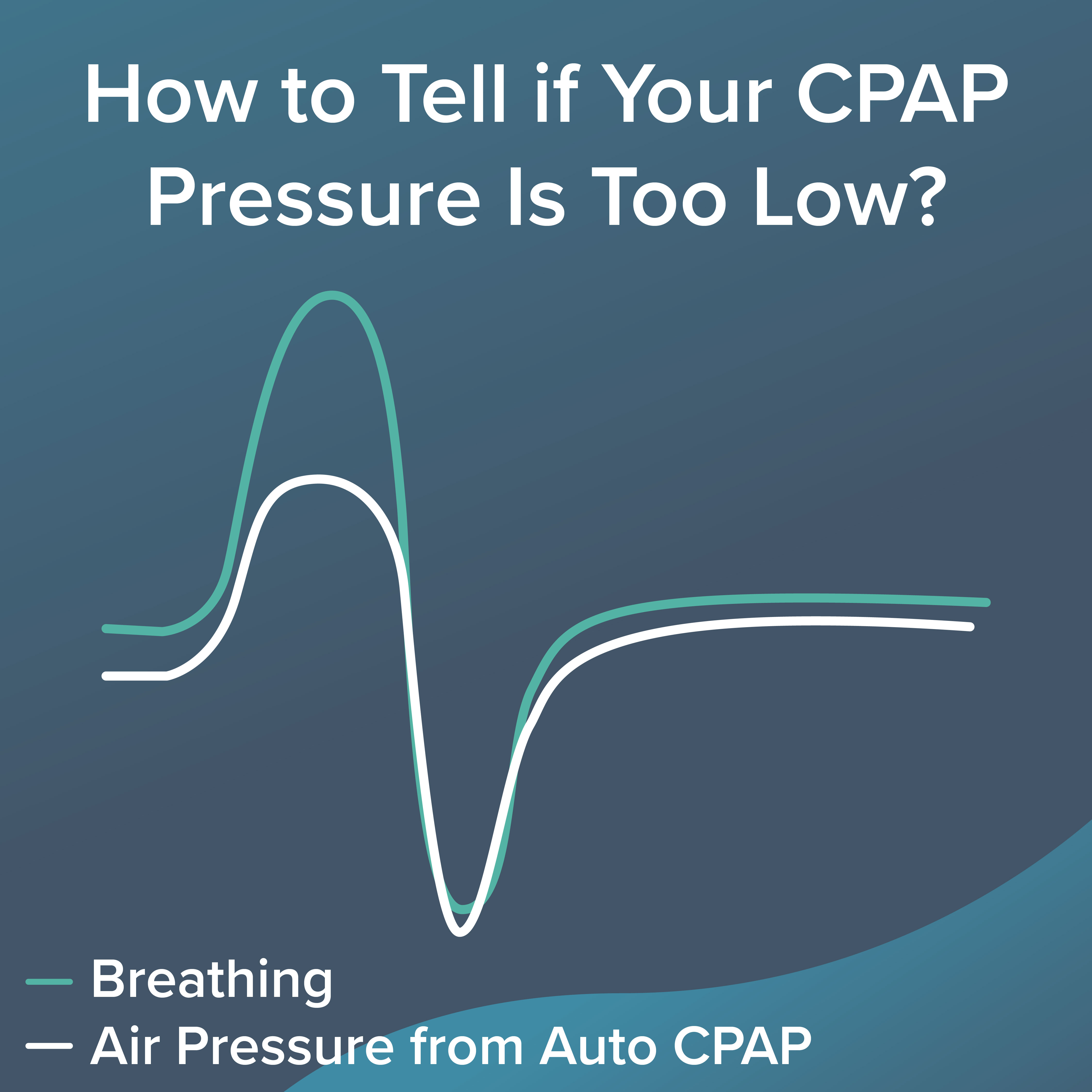
Signs your CPAP pressure is too low include loud snoring, waking up gasping for air, difficulty breathing throughout the night while using your CPAP machine, chronic fatigue or daytime sleepiness, and more than five apnea events per hour. Your sleep doctor—not you—should adjust your CPAP pressure settings.
What Is Normal CPAP Pressure?
Your CPAP machine provides ongoing pressurized air through a hose and mask. The purpose of the CPAP pressure setting is to keep your airways open and unobstructed throughout the night.
Everyone's pressure setting is different and must be prescribed by your doctor. Your doctor determines your pressure based on a combination of factors, including:
- Age
- Environmental factors
- Gender
- Sleep position
- Weight
- Sleep study results
- The type of machine you use (CPAP, BiPAP, or AutoPAP)
Typical Range (4 to 20 cm H₂O)
Every CPAP pressure setting is individualized and prescribed by your doctor based on your specific needs and sleep study results. Most CPAP machines deliver pressure between 4 and 20 cm H₂O (centimeters of water pressure). However, there is no single "normal" setting that works for everyone. Your prescribed pressure is based on your sleep study results and factors such as your age, weight, sleep position, and the severity of your sleep apnea.
The goal is to provide enough air pressure to keep your airway open throughout the night without causing discomfort. Your sleep doctor will determine the pressure that provides the most effective treatment.
Auto-CPAP vs Fixed Pressure
A standard CPAP machine delivers one continuous pressure throughout the night. An Auto-CPAP automatically adjusts the pressure when it detects changes in your breathing or airway. There are a variety of automatic CPAP machines on the market that use an auto pressure feature. The feature senses when your airway is closing and adjusts the air pressure to accommodate the change. Many of these machines also track your sleep data so you can share the information with your doctor.
Many Auto-CPAP machines also record therapy data that can help your doctor evaluate whether your treatment is working effectively. If your pressure needs change over time because of weight changes, sleep position, or other factors, your doctor may recommend switching to an Auto-CPAP machine.
Signs Your CPAP Pressure Is Too Low
If you're concerned that your pressure setting is incorrect, here are some signs your CPAP pressure may be too low.
Loud Snoring Even With CPAP On
Loud snoring while using your CPAP machine may indicate that your pressure setting isn't keeping your airway open effectively.
Waking Up Gasping or Choking
Waking up gasping for air or experiencing difficulty breathing throughout the night while using your CPAP machine can be a sign that your pressure is too low.
Daytime Sleepiness Returns
Chronic fatigue or excessive daytime sleepiness may mean your sleep apnea isn't being treated effectively overnight. If you wake up feeling unrefreshed or experience symptoms related to untreated sleep apnea, discuss them with your doctor to determine whether your pressure settings need to be evaluated.
AHI Above 5 on Your CPAP App
Experiencing more than five apnea events per hour may indicate your CPAP pressure is too low and should be reviewed by your doctor.
Morning Headaches
Morning headaches can be another sign that your sleep apnea is not being treated effectively. If your airway continues to collapse during sleep because your CPAP pressure is too low, your body may not receive enough oxygen throughout the night, which can contribute to waking up with a headache.
While headaches can have many causes, frequent morning headaches combined with other symptoms; such as snoring, daytime sleepiness, or a high AHI are worth discussing with your sleep doctor.
Signs Your CPAP Pressure Is Too HIGH
Aerophagia (Swallowing Air)
Aerophagia occurs when you swallow excess air while using your CPAP machine. This can lead to:
- Bloating
- Excessive belching
- Gas
- Discomfort
In some cases, pressure settings that are too high may contribute to these symptoms.
Mask Leaks and Dry Mouth
A pressure setting that feels too high can sometimes cause air to escape around your mask, making it difficult to maintain a proper seal. Mask leaks may reduce the effectiveness of your therapy and can also contribute to dry mouth or dry eyes.
If you notice frequent leaks, first check that your mask fits correctly and inspect your tubing and equipment for damage. Replacing worn CPAP supplies on schedule can also help improve your therapy.
Chest Discomfort
If you experience ongoing discomfort while using your CPAP machine, contact your sleep doctor to discuss your symptoms and treatment settings.
How to Check Your CPAP Data at Home
ResMed myAir App
Many ResMed CPAP machines are compatible with the myAir app, which provides an easy way to monitor your therapy at home. Depending on your machine, the app may display information such as your nightly usage, mask seal, AHI, and overall therapy score.
Reviewing your therapy data can help you identify trends and provide useful information to share with your sleep doctor during follow-up appointments.
OSCAR / SleepyHead Software
OSCAR is free software that allows users to view detailed CPAP therapy data from compatible machines. It provides more in depth information than many manufacturer apps, including pressure graphs, airflow data, leak rates, and respiratory events.
Some experienced CPAP users use OSCAR to better understand their therapy, but any changes to your treatment should always be made under the guidance of your sleep doctor.
What to Do If Your Pressure Feels Wrong
Don't Adjust It Yourself
It's crucial that you DO NOT attempt to make any CPAP pressure adjustments yourself. An incorrect setting can lead to worse and potentially long-term problems.
Contact Your Sleep Doctor or DME Provider
If you think your CPAP pressure is too low:
- Check for a leak. Look over your CPAP machine, tubing, and equipment to make sure nothing is damaged. Damaged tubing could explain low pressure. Replace CPAP equipment according to the manufacturer's recommended replacement schedule.
- Ask about an Auto CPAP machine. If you're using a fixed pressure CPAP, your doctor may recommend an Auto CPAP that automatically adjusts pressure throughout the night and tracks your sleep data.
- Talk to your CPAP doctor. The best solution is to call and discuss your concerns with your doctor. They can review your symptoms, sleep data, and determine whether your pressure settings should be adjusted.
FAQs
What CPAP pressure is too low?
A CPAP pressure may be too low if you continue to experience loud snoring, wake up gasping for air, have difficulty breathing during the night, feel chronically fatigued, or have more than five apnea events per hour. Your doctor can determine whether your pressure setting needs adjustment.
Can I increase my CPAP pressure at home?
No. You should not adjust your CPAP pressure yourself. Always talk with your sleep doctor before making any pressure changes, as incorrect settings can lead to worse and potentially long-term problems.
What AHI is acceptable on CPAP?
An AHI of five or fewer apnea events per hour is generally considered effective treatment. If you're consistently experiencing more than five events per hour, contact your sleep doctor.
How often should CPAP pressure be reviewed?
Your CPAP pressure should be reviewed whenever you experience persistent symptoms, significant changes in weight or health, or your sleep data indicates your therapy may not be working effectively. Your doctor can determine when adjustments are needed.
Breathe Easy with GoCPAP.com
Sleep easier at night knowing your machine and equipment are always up to date. GoCPAP.com is a trusted and reliable CPAP supplier that provides you with CPAP machines, masks, accessories, and staff support when you have questions or concerns about your equipment.